
How clearly you reason through a problem and choose your next step.
AI CAPABILITY PROFILER BY MRDI
 EXPERIENCE INTELLIGENCE
A credit score
for your skills.
ISAC.XP turns projects, workshop habits, self-learning, and real problem solving into a Learning Capability Index profile—so you can show what you can actually do, beyond a marksheet.
CAPABILITY OVER GRADESREAL-WORLD EVIDENCEPORTFOLIO-READY
ISAC.XP · INTRODUCTION
SCROLL TO EXPLORE
01 / THE LEARNING CAPABILITY INDEX
Capability is a pattern.
Not one test score.
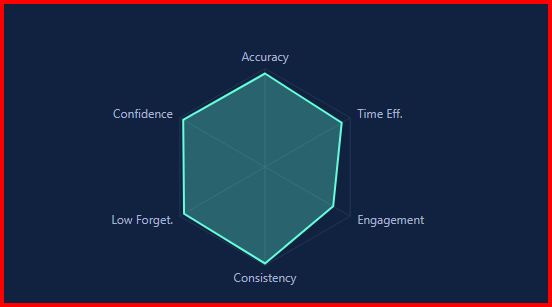
LCI organizes practical signals across six dimensions to help learners reflect on their strengths and where focused practice can help.
How quickly you move from understanding to useful action.
How you respond when a task becomes uncertain or pressured.
How reliably you repeat a good process across attempts.
How previous learning comes back when a real task demands it.
How accurately you express, support, and apply what you know.
02 / SEE THE PROFILE
One profile.
More ways to read it.
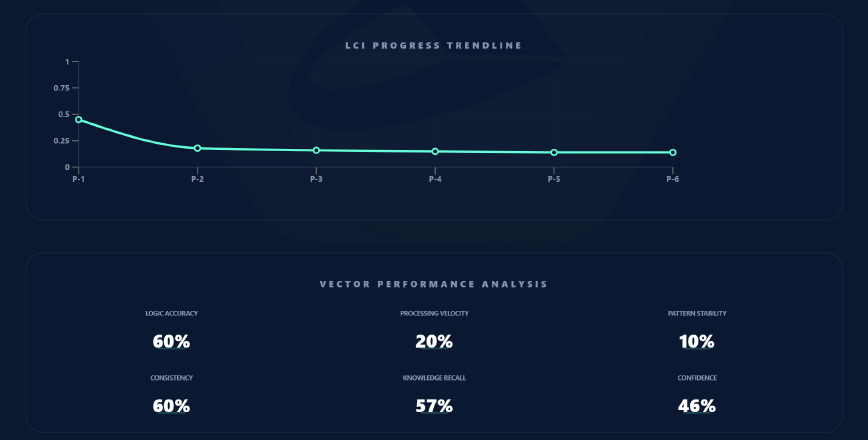
The capability graph gives a quick visual read. The synthesis matrix connects capability signals to learner evidence.
ISAC.XP · VIDEO LIBRARY
Choose your
view of ISAC.XP.
Start with the LCI, explore the product, or jump to a guide for learners and recruiters.
01 · UNDERSTAND THE LCIINTRODUCTION
Introducing the Learning Capability Index
Learn what the LCI measures and how its capability signals come together in one profile.
02 · EXPLORE THE PLATFORMPRODUCT WALKTHROUGH
Credit Score for Your Skills — ISAC.XP Demo
Follow the product flow and see how an assessment becomes a six-dimension capability score.
03 · FOR RECRUITERSHIRING WORKFLOW
Review candidate capability
See how a recruiter can use capability profiles and evidence to guide screening conversations.
04 · FOR LEARNERSBUILD YOUR PROFILE
Show how you learn and work
Explore how projects, workshop habits, and self-learning can help shape a shareable capability profile.
03 / BUILT FOR LEARNERS AND TEAMS
Skill proof for
what comes next.
ISAC.XP is designed to help people describe practical capability clearly—whether they are building their first portfolio or reviewing candidates.
Build while you learn.
Reflect on your projects, practice, and self-learning. Use the profile to understand your strengths, see where to improve, and show your progress.
View learner guide ↗Shortlist with more context.
Review a candidate’s capability profile and the evidence behind it. Get a practical signal to inform conversations about internships, apprenticeships, and first roles.
Explore recruiter guidance ↗04 / RECRUITER GUIDE
Review capability
with more context.
Use an ISAC.XP profile to guide a conversation about how a candidate works. Treat the score as a prompt to explore evidence and examples.
Consider logic, velocity, stability, consistency, recall, and confidence together.
Invite candidates to describe the projects, decisions, and practice behind their profile.
Relate strengths and development areas to the tasks and support expected in the role.
FOR RECRUITERS AND TEAMS
Contact MRDI ↗Ask about profile access.
Send MRDI your hiring context and the team can share the next step.
05 / START YOUR CAPABILITY PROFILE
Bring your experience
into focus.
Prepare a clear story about what you have built, practiced, and learned. These steps explain what to gather before creating or discussing an ISAC.XP profile.
Note projects, workshop tasks, repairs, prototypes, and things you learned independently.
Think about how you reason, respond to setbacks, keep a routine, and apply what you learned.
Gather project notes, photos, demos, and examples that help explain your contribution.
NEED PROFILE ACCESS?
Ask about an ISAC.XP profile ↗Continue with the local enquiry form.
Tell MRDI what you are interested in and the team can guide your next step.
05 / FEEDBACK FROM THE FIELD
Built around
real use.
Learners value practical skill checks and clearer progress. Recruiters highlight candidate screening and ask for concise, point-by-point reports.
↗09ENGINEERING STUDENT
FEEDBACK FORMS
◉03RECRUITER SUITE
SUBMISSIONS
30–35%TIME-TO-HIRE REDUCTION
REPORTED IN SOME RESPONSES
Reported figures are summaries of submitted recruiter feedback; results vary by organization and hiring workflow.
READ THE RESPONSESExplore learner and recruiter feedback↗START YOUR PROFILE
Your skill story
deserves a signal.
Turn projects, practice, and what you have learned into a capability profile you can discuss and share.
Get profile guidance ↗Explore the full ISAC ecosystem ↗